
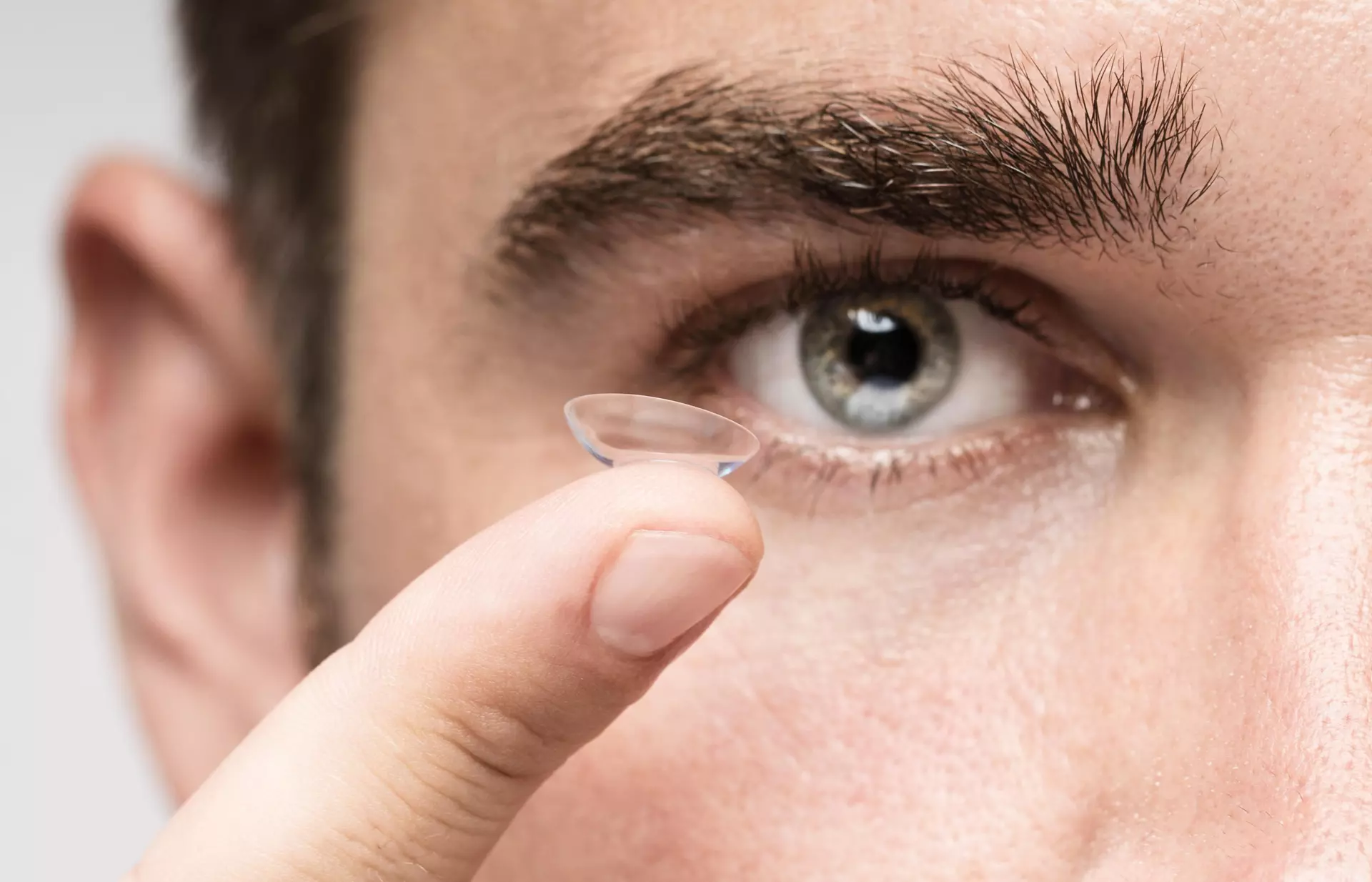
Contact lenses are worn by approximately 45 million Americans, offering a convenient alternative to glasses for everyday vision correction. When used correctly, modern contact lenses are extremely safe and comfortable. But contact lenses are medical devices — and when they are misused, the consequences can be serious. At Freedom Eye Care in Austin, TX, we want every contact lens wearer to be equipped with the knowledge they need to wear their lenses safely, comfortably, and without risk to their long-term eye health.
The Risks Are Real — and Largely Preventable
The Centers for Disease Control and Prevention estimates that approximately 1 million doctor visits per year in the United States are related to contact lens-associated eye infections. The most serious of these — microbial keratitis, a bacterial or fungal infection of the cornea — can cause permanent corneal scarring and vision loss if not treated promptly. What makes this particularly concerning is that the vast majority of these infections are caused by preventable hygiene and behavior lapses.
Understanding the most common mistakes contact lens wearers make is the first step toward avoiding them.
The Most Common — and Most Dangerous — Contact Lens Mistakes
Sleeping in lenses not approved for overnight wear. This is the single most significant risk factor for contact lens-related corneal infection. The cornea gets its oxygen directly from the atmosphere — contact lenses reduce oxygen flow, and a closed eye with a lens in place creates a hypoxic environment that is highly favorable to bacterial growth. Even lenses approved for extended wear carry higher infection risk when worn overnight than when removed daily. The American Optometric Association recommends removing lenses before sleep unless specifically prescribed for overnight wear and cleared by your optometrist.
Swimming or showering in contact lenses. Water — including tap water, pool water, lake water, and shower water — should never contact your lenses. Water can harbor Acanthamoeba, a microscopic organism that can cause Acanthamoeba keratitis, an extremely painful and difficult-to-treat corneal infection. This risk applies regardless of how clean the water source appears.
Topping off lens solution instead of replacing it. Adding fresh solution to old solution in a lens case does not restore its disinfecting effectiveness — it dilutes it. Always empty your lens case completely, rinse it with fresh solution (not water), and let it air dry face down on a clean tissue. Replace your lens case at least every three months.
Extending lens replacement schedules. Wearing monthly lenses for six weeks or daily lenses for two days does not just reduce comfort — it allows protein deposits, bacteria, and denatured lens material to accumulate on the lens surface, increasing infection risk and reducing oxygen transmissibility. Follow the replacement schedule your optometrist prescribed.
Not washing hands before handling lenses. Hand contamination is a primary route of lens-related infection. Always wash your hands with soap and water and dry them thoroughly on a lint-free towel before touching your lenses.
Signs of a Contact Lens Problem That Cannot Wait
Some symptoms during contact lens wear require immediate action — remove your lenses and seek care promptly:
- Sudden, severe eye pain that does not resolve after removing the lens
- Significant redness that persists after lens removal
- Blurry vision that does not clear after blinking or removing the lens
- Unusual discharge, crusting, or swelling around the eye
- Extreme light sensitivity
- A feeling that something is stuck in the eye that does not resolve
Do not try to “wait it out” with any of these symptoms, and do not continue wearing your lenses if you experience them. Contact lens-related infections progress quickly — early treatment is critical for the best outcome.
Annual Exams Keep Your Prescription and Your Eyes Safe
Contact lens prescriptions in Texas expire after one year, and annual contact lens exams at Freedom Eye Care serve an important purpose beyond just updating your prescription. We evaluate the health of the corneal surface for signs of oxygen deprivation or surface staining, check for early signs of giant papillary conjunctivitis (an immune reaction to lens deposits), assess your tear film for dry eye changes, and confirm that your lens fit continues to be appropriate as your eyes change over time.
Never purchase contact lenses without a valid prescription — and never share contact lenses with anyone. Even non-corrective cosmetic lenses require a fitting exam and a valid prescription. The FDA classifies all contact lenses as prescription medical devices, and for good reason.
If your contact lens prescription is overdue for renewal, or if you are interested in exploring new lens options for your prescription or lifestyle, call Freedom Eye Care in Austin at (512) 916-4600 or book your contact lens exam online today.