

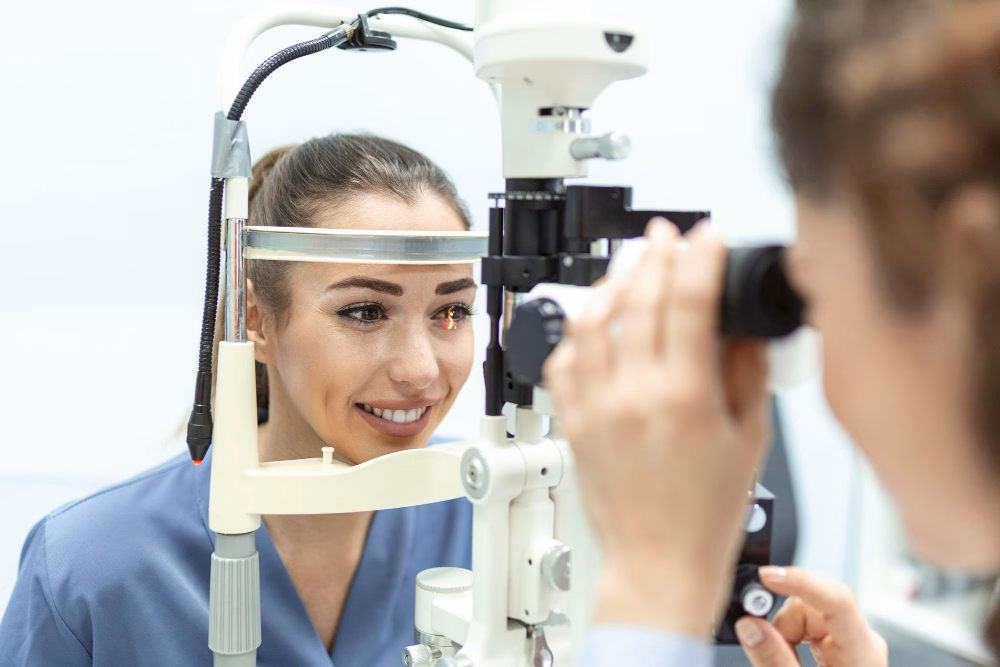
Most people schedule a dental cleaning every six months without question. But ask the same people when they last had an eye exam, and the answer is often “a few years ago” — or never, for patients who feel their vision is fine. At Freedom Eye Care in Austin, TX, we see this pattern regularly, and we want to change it.
Eye exams are not just about checking whether you need glasses. They are one of the most important preventive health screenings you can undergo — and skipping them has real consequences.
The Silent Nature of the Most Serious Eye Diseases
The conditions that pose the greatest threat to your long-term vision share one critical characteristic: they cause no pain and no noticeable symptoms in their early stages. Glaucoma — the second leading cause of blindness worldwide — typically develops without any discomfort or obvious visual changes until significant and irreversible optic nerve damage has already occurred. Age-related macular degeneration can rob you of your central vision gradually, so slowly that many patients do not realize how much they have lost until they try to read and cannot.
Diabetic retinopathy, another leading cause of vision loss in working-age adults, advances through multiple stages before causing the visual symptoms that finally prompt a doctor visit. According to the Centers for Disease Control and Prevention, approximately 90% of diabetes-related vision loss is preventable with proper care — which means regular eye exams are among the most powerful tools for protecting diabetic patients’ sight.
The only way to catch these conditions before they steal vision is through a comprehensive eye exam with a qualified optometrist.
Your Eyes Can Reveal What the Rest of Your Body Is Doing
The eye is the only place in the human body where blood vessels can be directly and non-invasively observed — and what those vessels look like tells your optometrist a great deal about your overall vascular health. During a comprehensive eye exam, we can detect early signs of high blood pressure in the retinal arteries, cholesterol deposits in the cornea and retinal vessels, and the characteristic retinal changes associated with uncontrolled diabetes — sometimes before a patient has received a formal diagnosis.
The American Optometric Association recommends comprehensive eye exams as a critical component of total body health screening, particularly for adults over 40 and anyone with systemic health conditions.
Your Prescription Changes Even When Your Vision Feels the Same
One of the most common reasons patients delay eye exams is the belief that because they “see fine,” there is nothing to check. But prescriptions change gradually — and the human brain is remarkably good at adapting to slightly blurry vision without registering it as a problem. You may not notice that your vision has shifted until you put on a pair of correctly updated glasses and realize how much clearer the world looks.
Wearing an outdated prescription is not just a quality-of-life issue. It causes eye strain, headaches, and fatigue — particularly for patients doing extended near work or screen-based tasks. And for drivers, an outdated prescription can affect reaction time and night vision safety.
Children’s Eye Exams Cannot Wait for School Screenings
School vision screenings detect about half of the vision problems children have — and miss the other half. They check distance vision on a basic chart and do not evaluate eye teaming, focusing ability, binocular vision, or internal eye health. A child with amblyopia (lazy eye), significant farsightedness, or convergence insufficiency may pass a school screening while struggling every day in the classroom.
The American Optometric Association recommends a child’s first comprehensive eye exam between 6 and 12 months of age, with follow-ups at age 3 and before starting school — then annually through the school years. At Freedom Eye Care, we provide complete pediatric eye care for patients of all ages in a welcoming, child-friendly environment.
How Often Should You Actually Come In?
The right frequency depends on your age, health, and risk factors:
- Healthy adults 18–60 with no known eye conditions: every two years
- Adults over 60: annually
- Patients with diabetes, glaucoma risk, or family history of eye disease: annually
- Contact lens wearers: annually
- Children through school age: annually
If you are overdue for an exam — or if you have never had one — there is no better time to schedule than now. Call Freedom Eye Care in Austin, TX at (512) 916-4600 or book your appointment online. Your vision deserves the same proactive attention you give the rest of your health.